

How far have we come towards mental health care that respects people’s rights and enables them to live in the community? De-Mentes, in collaboration with MásQueBipolar, presents our latest research: The Right to Live in the Community: Progress and Setbacks on the Path Toward Deinstitutionalization in PeruThis study examines the progress, gaps, and risks of setbacks in the transformation of the country’s mental health care model.
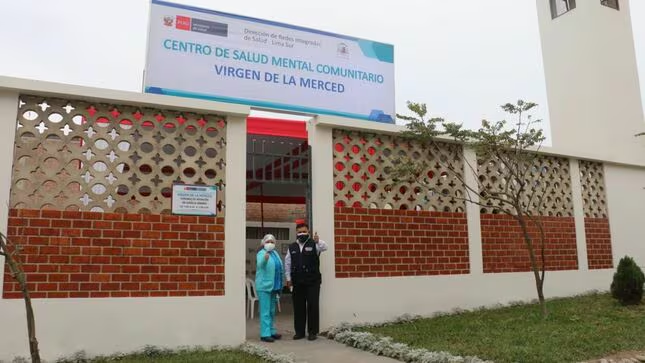
Image: Ministry of Health of Peru
Drawing on a review of documents and testimonies from people who have experienced institutionalization, this report examines the gap between the commitments made by the Peruvian state and what happens in practice, through a human rights lens.
While Peru has made progress in developing community-based mental health services, barriers remain that hinder the exercise of the right to live in the community. Fragmentation of the health system, difficulties in ensuring continuity of care, gaps in publicly available information, and a lack of coordination among community support services are some of the main challenges.
These challenges are compounded by the experiences shared by interviewees, whose testimonies reveal abuse, restrictions on autonomy, and coercive practices during their stays in institutions. These practices violate rights and can deepen suffering and emotional distress, rather than contribute to recovery and social inclusion.
Expanding community-based services is essential, but is not enough on its own to ensure deinstitutionalization. This transformation also requires changing care practices, respecting people’s decisions, and ensuring they have the support they need to pursue their life goals and participate fully in their communities.
Against this backdrop, our publication offers recommendations for the authorities and public bodies responsible for mental health policy, the legislative branch, civil society, and the public. It aims to help strengthen the community-based model, prevent rights violations, and ensure that people with lived experience participate in decisions that affect them.


